
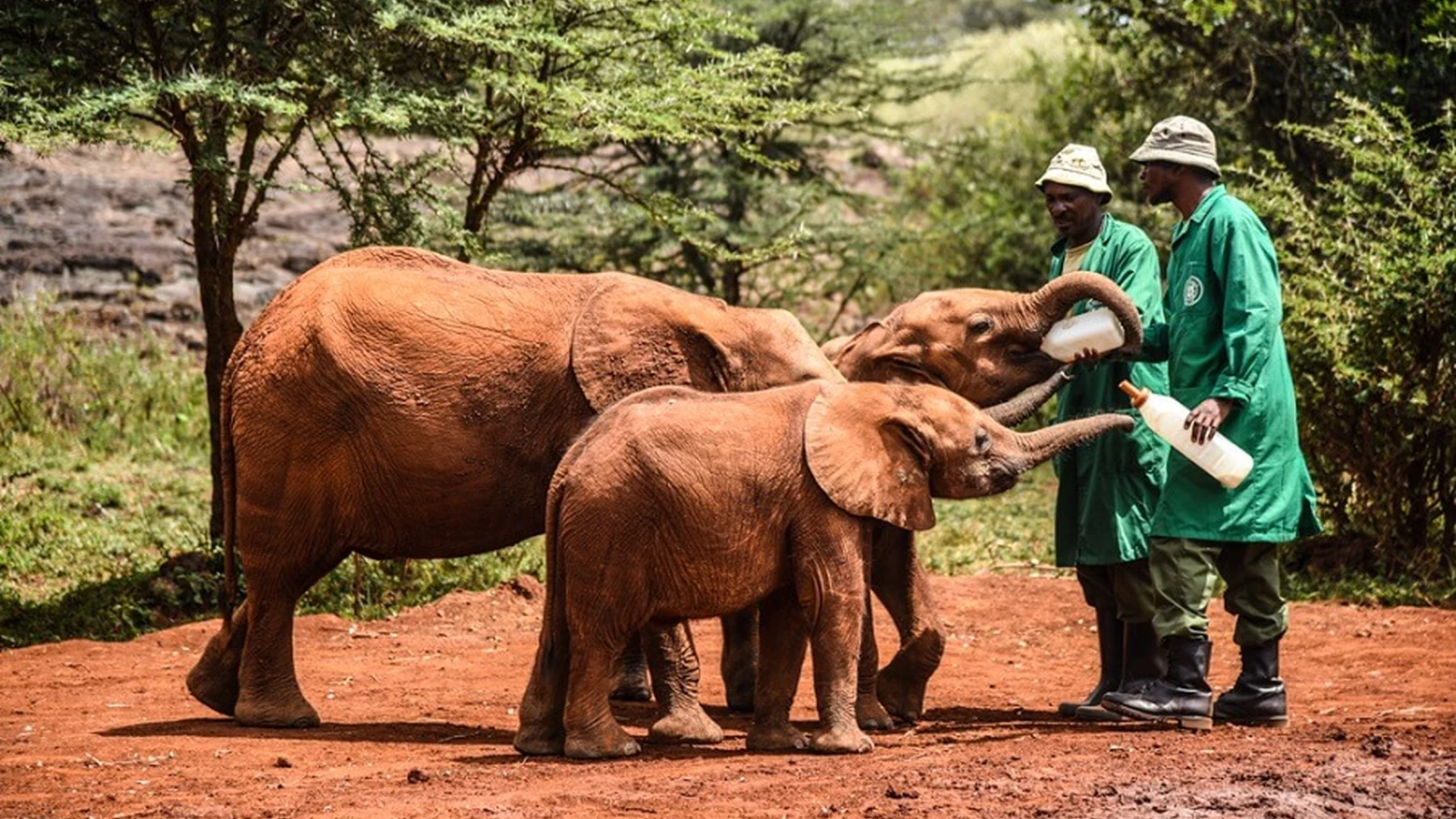
Wildlife tourism can support conservation and local livelihoods, but poorly designed experiences can also stress animals, reward exploitative practices or encourage visitors to value a close photograph more than animal welfare.
Choose observation over interaction
Be cautious with experiences that promise holding, riding, feeding or unusually close contact with wild animals. Legitimate conservation settings generally prioritize the animal’s needs and may limit visitor access even when that makes the experience less dramatic.
A distant sighting of natural behavior can be more meaningful than a staged encounter.
Ask what conservation claim means
Words such as rescue, sanctuary and conservation are not guarantees. Look for transparent information about why animals are in care, whether breeding occurs, how releases are handled and what qualified organizations oversee the work.
Independent conservation or wildlife authorities can be useful sources when evaluating claims.
Behave well in the field
- Follow guide instructions about distance and noise.
- Never pressure a driver to crowd an animal for a photograph.
- Do not feed wildlife unless part of an authorized conservation protocol.
- Keep waste contained.
- Respect seasonal and habitat restrictions.
Responsible wildlife viewing depends on thousands of small visitor choices.
Support the wider ecosystem
Conservation is connected to surrounding communities, land use and economic opportunity. Consider operators that employ locally, support habitat protection and explain the broader ecosystem rather than treating wildlife as isolated entertainment.
Purposeful wildlife travel should leave the traveler better informed about what the animals need to survive.
Choose experiences that respect wildlife
DiasporaLinx shares informational travel guidance; always verify wildlife experiences with current local conservation authorities before booking.