
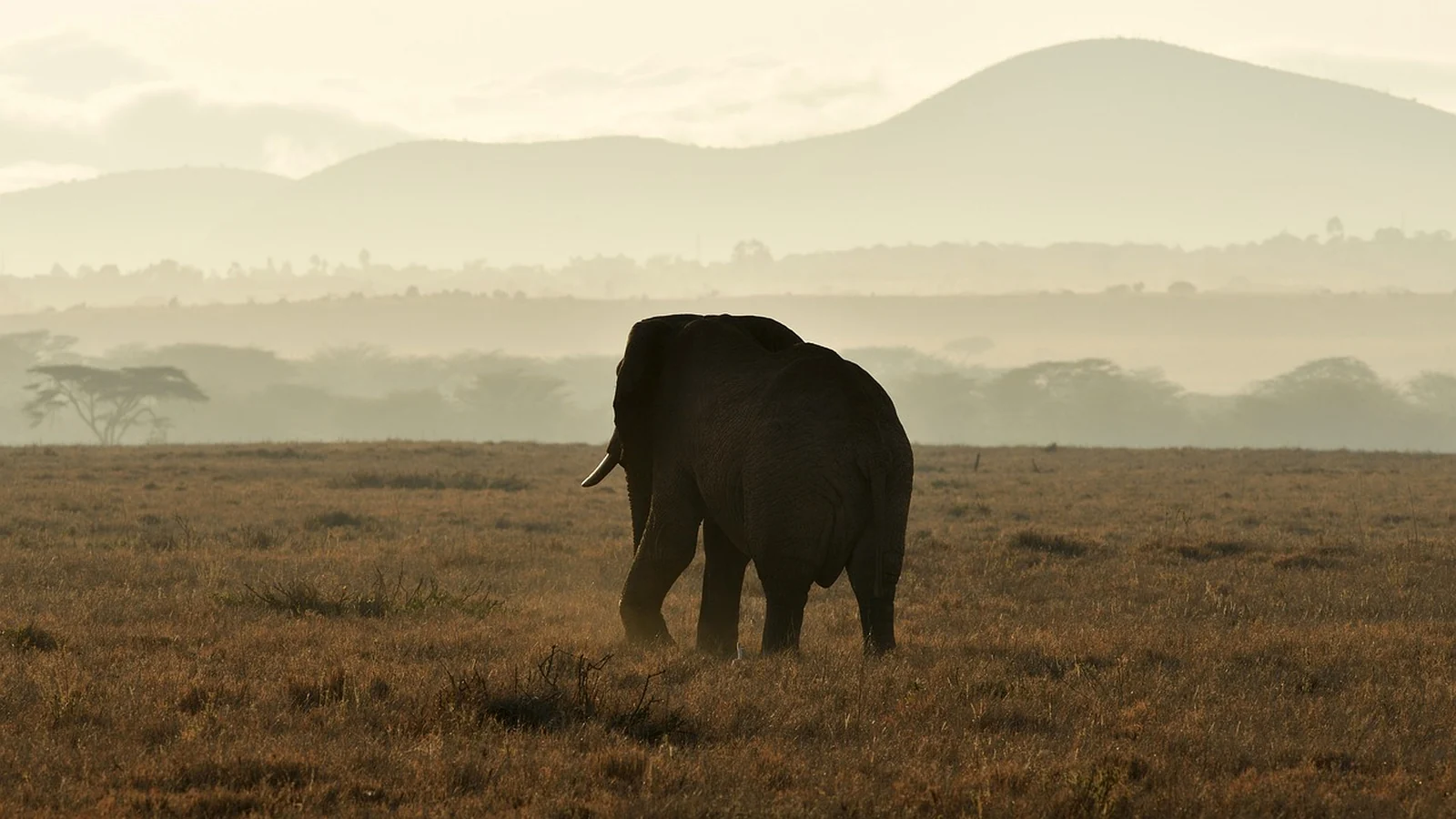
Wildlife encounters are more meaningful when the experience respects the animal, the habitat and the people working to protect both. Families can ask a few practical questions before choosing an attraction or tour.
Look for conservation and welfare signals
Responsible operators explain why animals are there, how interactions are limited and what conservation or rehabilitation work is supported. Be cautious when the experience depends on handling, chasing or forcing wildlife into unnatural behavior.
Choose distance over the perfect photograph
A longer lens or binoculars can create a better memory than crowding an animal. Children also learn an important lesson when adults model patience and respect.
Ask where the money goes
Entrance fees, local guides and conservation programs can help support habitat protection and community livelihoods. Understanding that connection adds meaning to the visit.
Turn the outing into a learning day
Before or after the experience, learn about habitat loss, migration patterns or the species’ role in the ecosystem. The goal is not only to see an animal but to understand why its future matters.
Keep exploring with a diaspora travel lens
Continue with DLX travel resources for Kenya visits, family travel and global culture and discovery.