
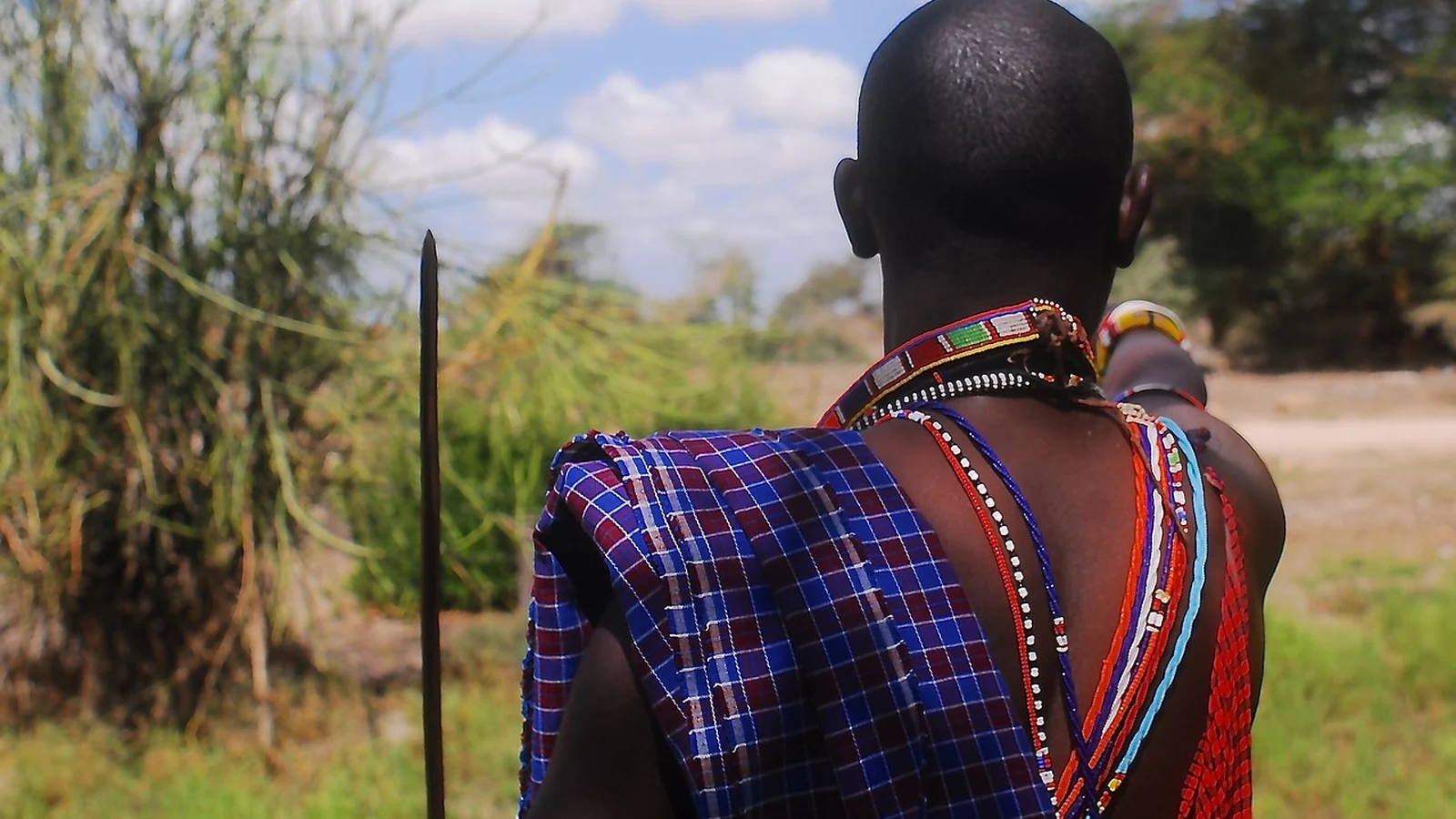
Travel involving Indigenous communities requires more care than simply choosing a tour with cultural language in the brochure. The central question is whether the experience respects community control, dignity and the right to decide what visitors may see or photograph.
Look for community leadership
Prefer experiences that are owned, operated or clearly authorized by the community being visited. Ask where fees go, who provides interpretation and whether local people have control over what is shared.
A cultural experience should not depend on outsiders speaking for the community while residents receive little benefit.
Do not confuse access with entitlement
Some ceremonies, spaces and knowledge are not meant for visitors. Follow local guidance even when another traveler says a restriction is unnecessary. Permission to enter one area does not imply permission to record everything you see.
Respect is demonstrated most clearly when there is something you choose not to take home as content.
Travel with basic ethical habits
- Ask before photographing individuals.
- Avoid intrusive questions about poverty, trauma or spirituality.
- Buy directly from artisans when practical.
- Do not collect objects from culturally or ecologically sensitive places.
- Learn the community’s preferred name rather than relying on outdated labels.
These habits are simple but meaningful.
Leave stereotypes behind
Indigenous communities are contemporary societies, not frozen representations of the past. People may use smartphones, run businesses, live in cities and maintain traditional knowledge at the same time.
Good travel makes room for complexity rather than searching for a performance of “authenticity.”
Travel with respect before curiosity
Explore informational global travel and culture guides from DiasporaLinx.