
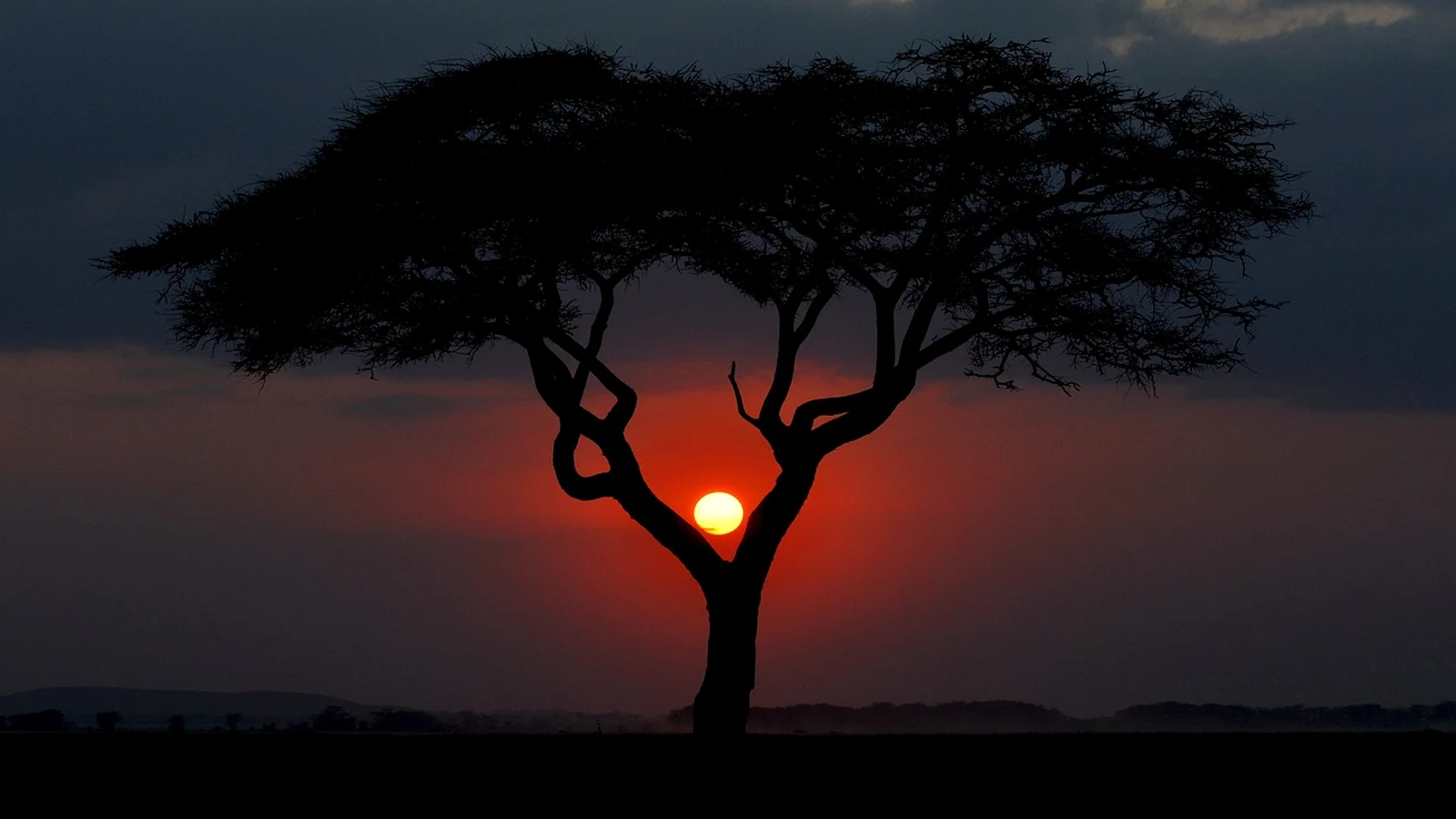
Sacred places can be powerful travel experiences even when you do not share the faith or tradition behind them. The responsibility is to arrive as a guest, learn the context and avoid turning devotion into spectacle.
Learn why the place matters before you arrive
Read enough history to understand whether the site is a place of worship, pilgrimage, remembrance, burial or living community practice. That context changes how you dress, speak, photograph and move through the space.
Observe before you participate
A ritual that is open to visitors is not automatically an invitation to imitate it. Watch how local participants behave, follow posted guidance and ask when you are unsure whether participation is appropriate.
Treat photography as a privilege
Some sacred spaces prohibit photography entirely while others restrict it during worship. Ask before photographing people, ceremonies, altars or private devotional moments.
Leave with more than a photograph
Write down what you learned about the community, the history and the values represented by the site. Respectful travel should deepen understanding rather than simply add another location to a checklist.
Keep exploring with a diaspora travel lens
Continue with DLX travel resources for Kenya visits, family travel and global culture and discovery.