
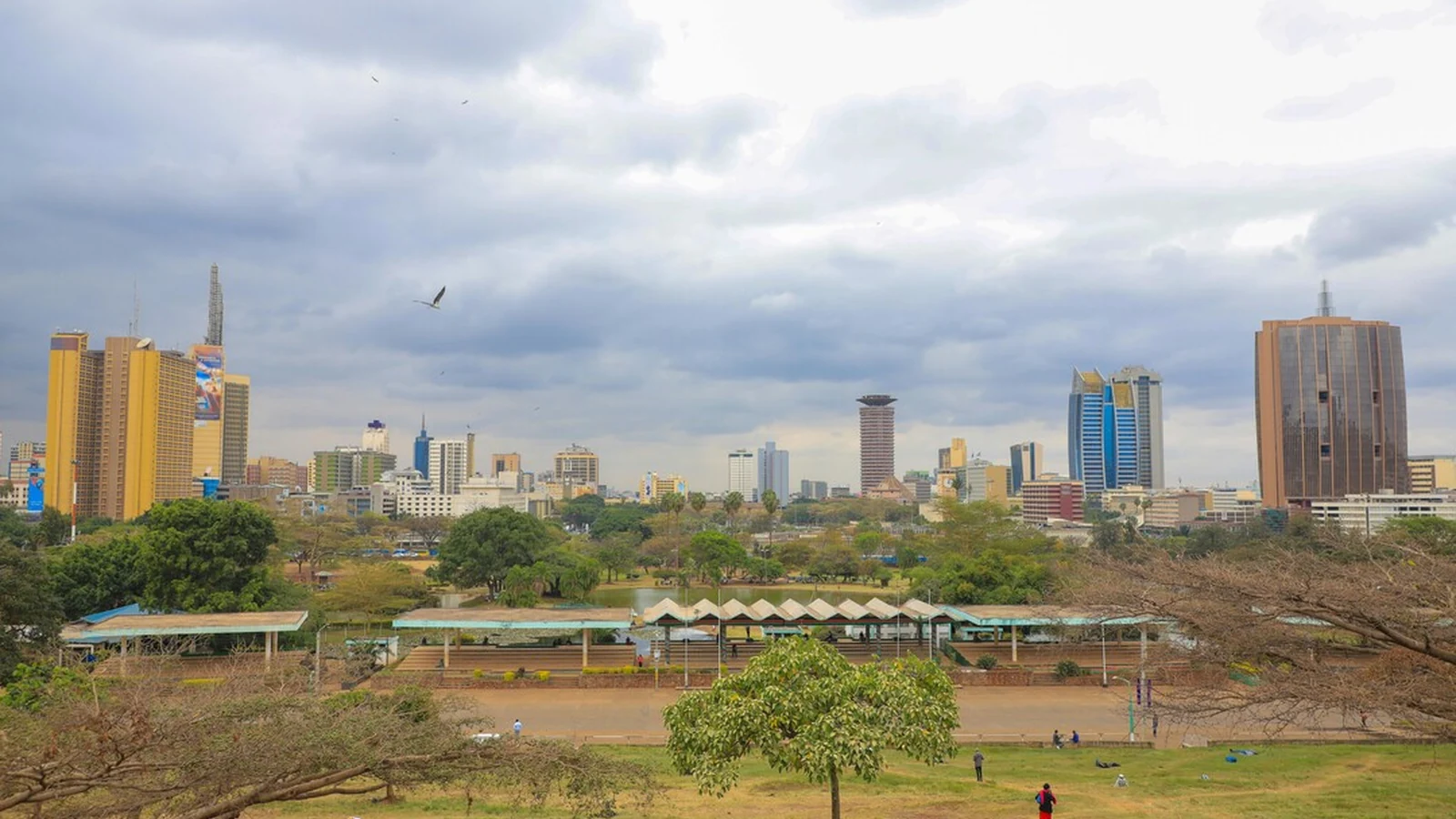
Architecture can explain a city before anyone tells you its history. Streets, public buildings, apartment blocks, religious spaces and old commercial districts reveal wealth, climate, colonial influence, migration and changing ideas about how people should live.
Start with ordinary buildings
Landmarks are useful, but everyday housing often tells a more intimate story. Notice balconies, courtyards, security features, shopfronts, building materials and how homes meet the street. These details show what residents value and what pressures the city has adapted to.
Compare older neighborhoods with newer development rather than assuming one represents the “real” city.
Ask what shaped the form
Climate, transport, land prices, regulation, political history and cultural expectations all influence architecture. A shaded courtyard and a glass tower may represent different eras, technologies and relationships to the environment.
Architecture becomes more interesting when you connect design choices to the conditions that produced them.
Notice who public space is designed for
- Where can people sit without paying?
- Are streets comfortable for walking?
- How do children and older adults use the area?
- What is preserved and what is being replaced?
- Which communities appear to benefit from new development?
These questions turn a city walk into a form of social observation.
Use architecture as a doorway, not a verdict
Visitors see only a slice of urban life. Avoid declaring a neighborhood successful or failed from appearances alone. Talk to residents, read local sources and remember that beautiful design can coexist with exclusion while modest buildings can support strong community life.
Good travel observation remains curious rather than certain.
See cities with a different lens
Explore more global travel and cultural discovery articles from DiasporaLinx.