
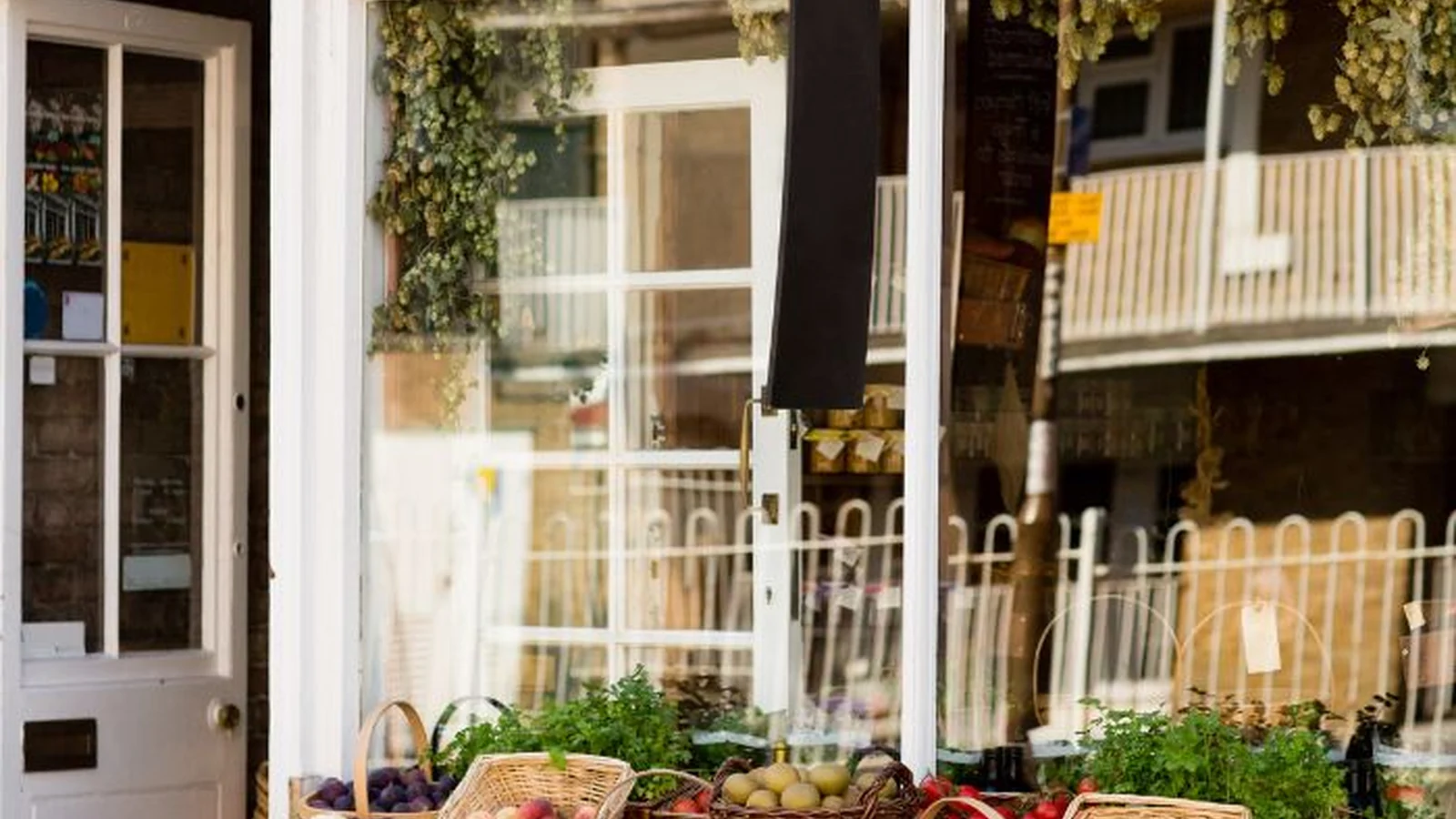
Historic markets are often described as shopping destinations, but their real value is broader. They show how a city moves food, craft, news, money and people through shared space—and how that system changes under tourism and redevelopment.
Notice the layers of the market
Look at what is sold to residents versus visitors, which products are seasonal, how goods arrive and where workers eat. A market may contain several economies at once: wholesale, household shopping, prepared food, tourism and informal services.
Those layers explain more about a city than a souvenir list can.
Ask what has changed
Many historic markets face pressure from rising rents, redevelopment and tourism. Some are carefully preserved; others become more decorative as everyday vendors are displaced. Local newspapers and heritage organizations can provide useful context.
A beautiful renovated market may be economically very different from the institution that originally occupied the building.
Shop with awareness
- Learn whether bargaining is expected before negotiating aggressively.
- Carry appropriate payment methods.
- Avoid blocking working aisles.
- Ask permission for close-up photographs.
- Buy from producers and craftspeople directly when possible.
Small choices can make the visit more respectful.
Use the market as a starting point
Follow ingredients, crafts or stories you discover into the surrounding neighborhood. Markets often connect naturally to food history, architecture, migration and local industry.
The market becomes more memorable when it leads you deeper into the place.
Explore cities through everyday life
DiasporaLinx global travel content is designed for discovery and context, including places outside our direct service footprint.