
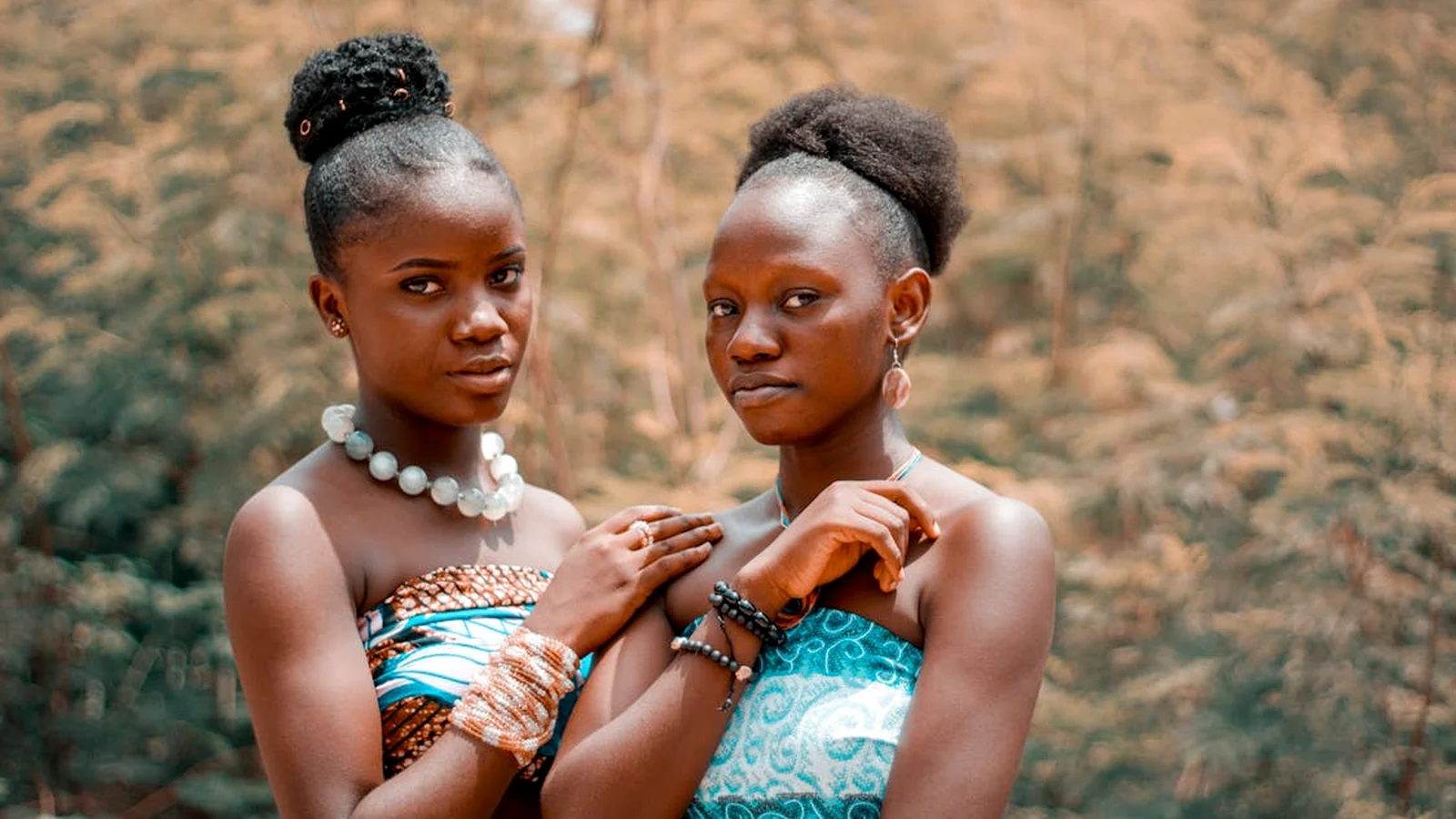
Migration rarely leaves identity untouched. Families carry language, food, faith, humor and memory into a new environment while also adopting habits and relationships that did not exist before.
Expect identity to evolve
Children and adults may relate differently to the home country over time. Change does not automatically mean rejection; it can be part of building a life across more than one culture.
Name the traditions that matter most
Families are more likely to preserve language, celebrations, recipes and stories when they intentionally choose which practices they want to continue.
Make room for the adopted culture too
Belonging becomes easier when families do not treat every new influence as a threat. Children especially benefit when both parts of their experience are respected.
Talk about identity before conflict forces the conversation
Regular family conversations about race, nationality, language and belonging can make difficult moments easier to navigate when they arise.
Building stronger connections across borders?
Continue with practical DLX resources for diaspora family life, identity, community and cross-border decisions.