
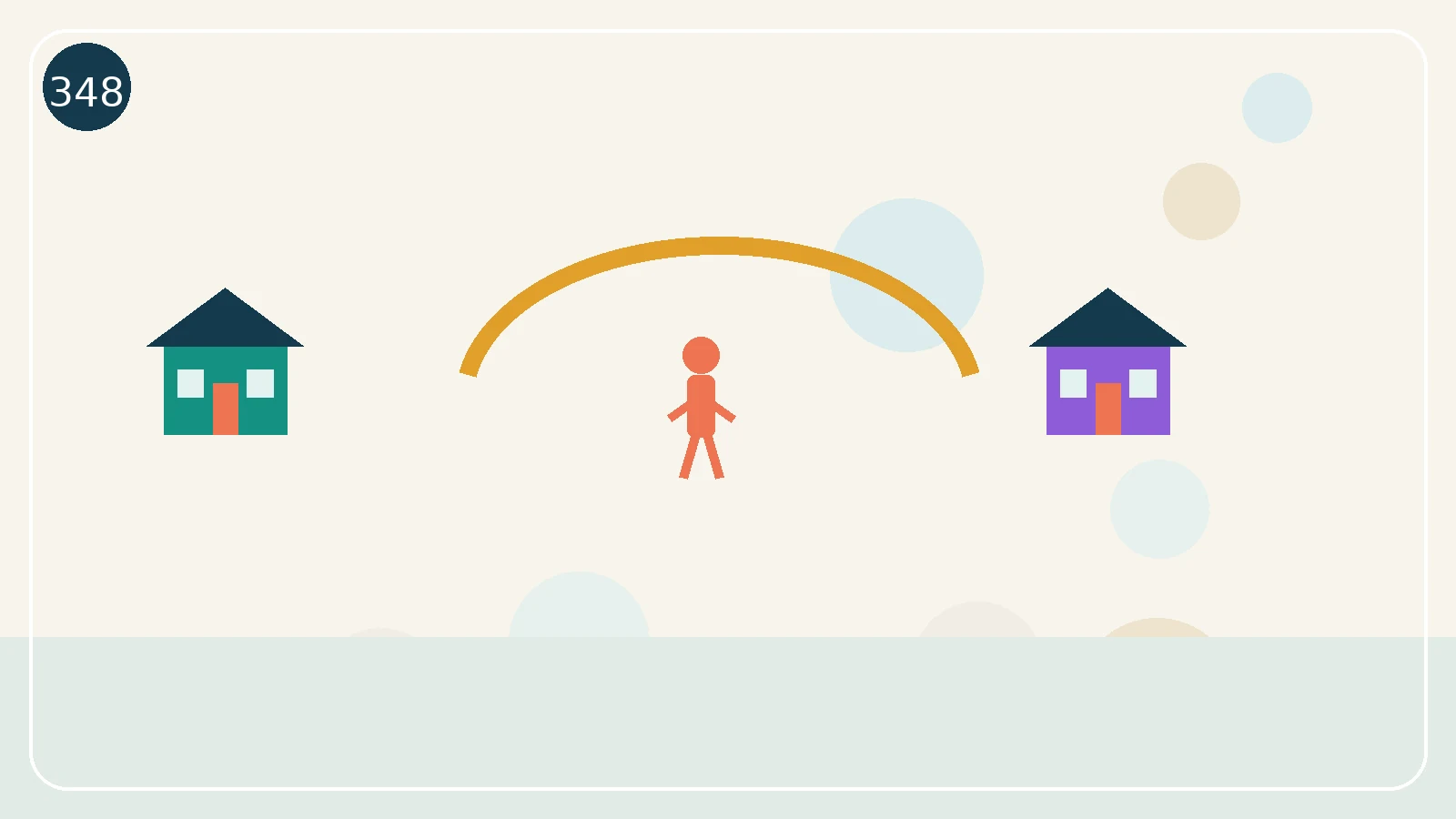
Diaspora children may hear “home” used for the country where they live, the country their parents came from, or a family town they barely know. That complexity can be a strength.
Let children define their own connection
Avoid forcing a single answer to where they belong. Identity can include several places, languages and communities at the same time.
Use stories and visits to add context
Family history, photographs, food, language and travel can turn an abstract idea of home into something children understand personally.
Make room for mixed feelings
A child can love a Kenya visit and still miss friends abroad. They can feel proud of heritage and still find some customs unfamiliar.
Focus on belonging rather than performance
Children do not need to prove cultural knowledge to deserve connection. Curiosity and relationships matter more than passing an identity test.
Building stronger connections across borders?
Continue exploring practical DLX resources for diaspora family life, identity, community and cross-border decisions.